

Every Ontarian property owner understands the fact that keeping a operational drainage and sewer system is vital not just for ease of use, but also for protecting real estate and health. With the distinct environmental factors and aging infrastructure found in many areas of Southern Ontario, problems such as tree root intrusion, clogs, and backups can quickly escalate into serious issues. Understanding the most effective methods for handling these challenges is important for avoiding costly repairs and providing comfort.
In this guide, we'll explore effective sewer solutions designed for Ontario residents. From innovative techniques like CCTV sewer camera inspections to traditional methods such as snaking, we will cover a broad array of topics such as trenchless sewer repair options, the necessity of backwater valve installations, and managing problematic tree roots. By arming yourself with this knowledge, you can take preventive steps to ensure your home’s drainage system remains in top condition during the seasons.
Closed Circuit Television Surveillance and Deterioration Assessment
In Canada, the use of closed circuit television sewer camera inspections has changed the method homeowners detect hidden concerns in their sewer systems, particularly focusing on lateral line deterioration. This system allows licensed drain contractors to provide a clear view of the status inside pipes without the requirement for extensive digging. By visually inspecting the sewer lines, experts can identify issues such as cracks, root intrusion, and clogs that may not be noticeable through traditional inspection methods.
One of the most significant benefits of closed circuit television inspections is the early detection of tree root intrusion, which represents a serious hazard to clay pipes common in many Ontario homes. Roots can penetrate the seams and joints of these older pipelines, leading to serious damage over time. Leveraging closed circuit television cameras, homeowners can obtain critical data about the level of root growth and make wise decisions about necessary repairs or preventative measures before the situation escalates.
Beyond identifying existing deterioration, these inspections provide essential documentation for both homeowners and insurance needs. Homeowners are often unconscious of underlying problems until it is too late, resulting in high emergency repairs. By having a clear understanding of their sewer system's condition through closed circuit television inspections, homeowners in Canada can plan for fixes, avoid unexpected crises, and possibly qualify for local refund programs aimed at addressing basement flooding problems.
#### Sewer Repair Methods and Cost Analysis
Regarding repairing sewer lines in Ontario, homeowners have various alternatives that differ greatly in terms of methods, costs, and effectiveness. Excavation involves excavating the ground to access the damaged pipes, allowing for straightforward repairs or replacements. While Drain repair may be disruptive to landscaping and may uncover further subterranean problems that require repair. Generally, the costs for traditional digging can range from several thousand to tens of thousands of dollars, based on the extent of the damage and the difficulty of access.
In contrast, trenchless technologies, such as CIPP lining and pipe bursting, have become more popular due to their less invasive nature. CIPP lining involves inserting a resin-saturated felt tube into the existing pipe, which then hardens to create a new internal pipe, successfully sealing leaks and cracks. This method can often be completed at a lower cost than traditional digging, between about two thousand to eight thousand dollars, based on the length of the pipe being repaired. Pipe bursting, conversely, involves breaking apart the old pipe while simultaneously placing a new one, which can also be less costly and disruptive than digging.
Ultimately, the choice between these repair methods will be determined by the specific circumstances involving the sewer issue, including the type of damage, soil conditions, and budget constraints. Homeowners should reach out to licensed Ontario drain contractors to conduct thorough inspections, including CCTV sewer camera inspections, to determine the best approach for their particular needs. This initial investment in expert assessment can lead to better long-term solutions and potentially lower costs in future repairs.
Preventive Measures and Upkeep Tips
Regular upkeep is essential to avoiding sewer and drain problems in Canadian homes. Homeowners should think about scheduling annual CCTV sewer camera inspections to detect potential issues such as concealed lateral line damage. This preventive approach enables for early detection of issues before they escalate into costly fixes. Additionally, maintaining Drain repair by keeping tree roots at bay can significantly minimize the risk of intrusion that often leads to damage in clay sewer pipes.
Adopting best practices for waste disposal can assist keep drains running efficiently. Avoid flushing items that do not fit in the toilet, including so-called flushable wipes, as these can contribute to serious blockages. Instead, inform all household members on proper waste disposal methods. Consistently cleaning grease traps in kitchens, especially for commercial restaurants, will also help maintain effective drainage.
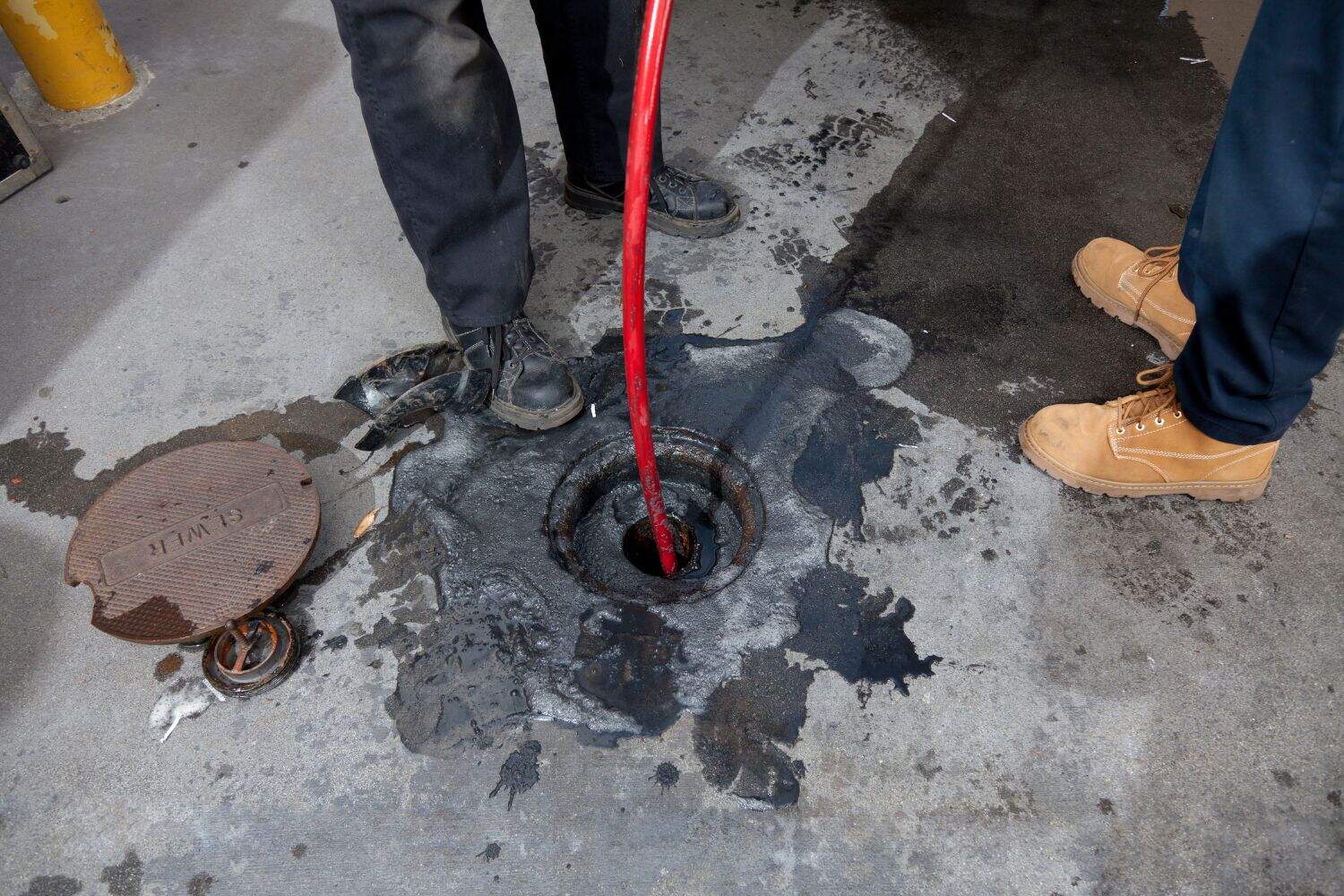
Finally, consider installing essential systems such as backwater valves and sump pumps to protect basements from sewer surcharges and flooding. These additions, combined with routine maintenance and proper drainage practices, can safeguard your home from unexpected sewer emergencies and guarantee effective water management throughout the year.